
Start with the suspension arrangement, not only the anchor name
Tie wire anchors are used where a wire, clip or other light-duty hanger needs a practical connection to a ceiling or solid construction surface. The product is familiar on site, but a clear purchase brief still matters. A quotation that says only “ceiling anchor” leaves open the diameter, length, finish, head detail, intended base material, pack count and included documentation.
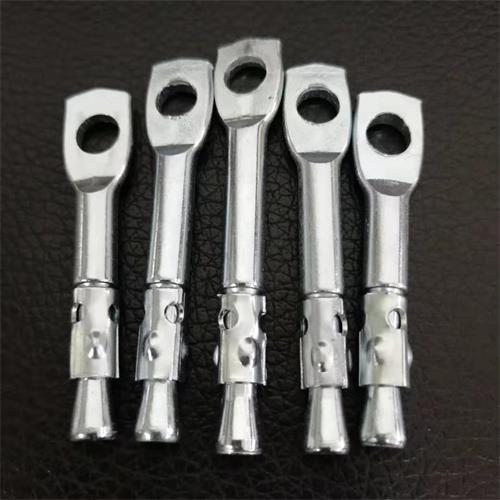
DURANCHOR lists its Tie Wire Anchors as carbon-steel, zinc-plated expansion anchors with a punched head for the tie wire. The published range includes a 6 mm / 1/4 in diameter and 40–60 mm / 2-1/4 in length options. Treat those details as a product-library starting point. The final item must be confirmed against the application, approved project information and documentation for the exact quoted configuration.
Where tie wire anchors are commonly specified
Suspended ceilings and interior fit-out
A suspended ceiling usually combines a ceiling substrate, anchor, wire or rod, grid and ceiling-board system. Tie wire anchors can support the part of that system designed for a light-duty wire connection. Procurement should identify whether the purchase is for a new commercial fit-out, a distributor stock program or an installation contractor’s regular project range. Each route has different sample, packing and label needs.
Lighting, signs and small service supports
Light fittings, advertising signs, cable routes and small pipe or service supports may use ceiling-hanger arrangements when the design calls for them. Describe the fixture and intended support arrangement in the RFQ. “For cable support” is helpful context, but it should not turn into an unsupported claim that one anchor is suitable for every cable tray, pipe or suspended load.
Concrete, masonry, stone and brickwork projects
The product page identifies concrete, masonry, stone and brickwork among its listed base materials. The actual condition of the site matters: solid versus hollow material, age and condition, edge distances, drilling access and the installer’s method should remain visible to the responsible project team. A product family cannot remove those decisions.

Specify the whole installed system
A tie wire anchor is only one part of the installed arrangement. A useful enquiry identifies the anchor and its connection method, then gives the supplier enough information to quote a stable commercial item. This prevents substitutions that look similar in a photograph yet differ in length, head design, finish, packaging or application scope.
- Exact product designation, diameter and length requested.
- Material and surface finish required for the intended environment.
- Ceiling or base-material description supplied by the project.
- Wire, clip or hanger arrangement and the fixture being supported.
- Quantity by size, regular stock requirement or project quantity.
- Carton quantity, barcode, private-label artwork and destination-market labels.
- Product data, drawings, installation information and any records required for the proposed item.
The product page describes a practical installation sequence: pre-drill, clean the hole, insert the anchor and pull the anchor body back as instructed before tying the wire through the head. Do not rely on a shortened description alone. The installer should use the instructions for the actual supplied product and the approved site method.
Build a purchase schedule that avoids mixed configurations
For a distributor, a tie wire anchor program may contain a small set of frequently requested lengths. For a project buyer, it may be one defined configuration tied to a drawing and delivery sequence. In both cases, keep the schedule item by item. Give every line a clear product name, size, finish, pack count and required marking.
Metric and inch references are often used in the same market. Record the actual dimension as the controlling purchase field and retain the alternative reference only where it helps the customer identify the item. This reduces errors when warehouse teams, installers and purchasing departments use different naming habits.
Compare quotations on equivalent scope
Unit price is meaningful only after the scope is the same. Ask suppliers to state the exact product configuration, finish, carton quantity, label information, sample process, documents and lead-time trigger. Separate special carton artwork, inspection setup and freight requirements from the recurring product price. The result is easier to compare and easier to repeat.
For a first order, approve a representative sample and retain a simple baseline: product photo, selected size, finish, carton label and agreed documentation list. A follow-up order then starts from something specific. When a proposed change affects length, finish, pack quantity or label, record the affected SKU and obtain approval before production continues.
Keep quality checks connected to the exact purchase
Pre-shipment checks can confirm the purchased commercial configuration: dimensions, visible finish, punched-head form, carton count, labels and requested documents. They do not validate the final installation in a particular ceiling. The latter belongs to the project’s responsible design and installation process.
During quotation, ask which product records can be supplied for the selected item and which are available only on request. Confirm document names and revisions before the order is placed. A generic statement about carbon steel or zinc plating is not the same as confirming the exact item and scope required by a customer or project.
Packaging that helps installers and warehouse teams
Small anchors are easy to mix when carton identification is unclear. Agree the stock code, size, finish, piece count and product description on the outer carton. If private-label packaging is needed, provide the artwork, barcode and destination-market text early. Packing information is part of the supplied product experience, especially for distributors replenishing multiple sites.
Tie wire anchor RFQ checklist
- Suspended ceiling, lighting, signage, cable or other light-duty application description.
- Base material and relevant installation conditions from the project.
- Requested anchor diameter, length, finish and product reference.
- Wire or hanger connection arrangement and fixture information.
- Quantity by item, sample requirement and repeat-order expectation.
- Carton count, labels, barcode, private-label and destination details.
- Required data sheets, drawings, installation information and records.
Mark assumptions clearly. A supplier can then respond with a useful product proposal or identify information that needs to be resolved before quotation. That is more reliable than treating a broad product name as a complete specification.
Common sourcing mistakes to prevent
The first mistake is treating every ceiling as the same substrate. Concrete, masonry, stone and brickwork are different categories, and site condition can matter as much as the category. Make the project’s base-material description part of the purchase record instead of leaving it to a generic product title.
The second is using a product image as the only approval reference. Keep the actual size, finish, packaging and documentation together with the image. Visual similarity does not prove that two anchor configurations are interchangeable.
The third is allowing a change to be made informally after the sample stage. A different pack count, surface finish or length can change receiving, ordering and installation expectations. A short written change record protects the buyer and supplier from discovering the difference only when the cartons arrive.
Turn the first order into a repeatable supply program
After the first delivery, keep the approved schedule, product sample record, carton artwork, pack count and documentation list with the purchasing file. Distributors can use it for replenishment, while contractors can distinguish a true repeat requirement from a similar-looking new project.
A stable naming convention is particularly useful for small fastening products. Include the size, finish and pack quantity in the SKU description, then link private-label information to the same record. Sales staff and warehouse teams can identify the right commercial item without depending on a photo or memory.
Controlled records do not stop improvements. They make improvements visible. If the program later needs another carton size, label format or finish, the buyer can compare it with the approved baseline and decide how it affects price, stock and delivery.
Frequently asked questions
Are tie wire anchors only for suspended ceilings?
They are commonly used for light-duty suspension work, including suspended ceilings, lighting, signs and selected cable or pipe hanging applications when the project design calls for that arrangement.
What should be reviewed before a bulk order?
Confirm the selected size, finish, base-material context, wire connection arrangement, carton label, pack quantity and any product information requested for the exact item.
Can DURANCHOR support private-label packaging?
Send the product schedule, pack quantity, artwork, barcode and expected order volume. The required configuration can be reviewed during quotation.
FROM APPLICATION TO QUOTATION
Discuss your ceiling-hanger requirement
Send the intended application, base material, anchor sizes, quantities, finish and destination market. DURANCHOR can review the product and packing configuration needed for a clear quotation.
Send an enquiry →