
Start with the exposure, substrate and connection requirement
Stainless steel drop-in anchors are commonly considered when an installation needs an internally threaded fixing point in a solid substrate and the environment requires a material route beyond a standard carbon-steel, plated product. The word “stainless” is still only a beginning. A buyer should establish the actual service environment, the selected stainless grade, the thread that will mate with the anchor, and the installation method before requesting a quotation.
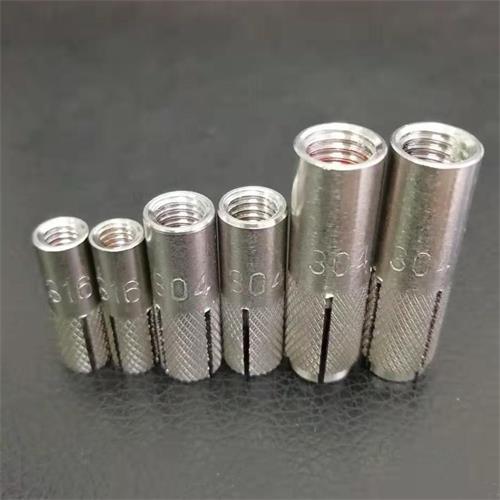
DURANCHOR’s Stainless Steel Drop-In Anchors are listed in 304 and 316 stainless steel, with metric, UNC and British thread variants and diameters from smaller sizes through larger internally threaded configurations. The product page identifies concrete and masonry as the stated solid substrates. Whether a particular configuration is suitable remains a question for the relevant project requirement and the product-system information for the exact item.
Typical application scenarios that need a clear brief
Mechanical rooms and service corridors
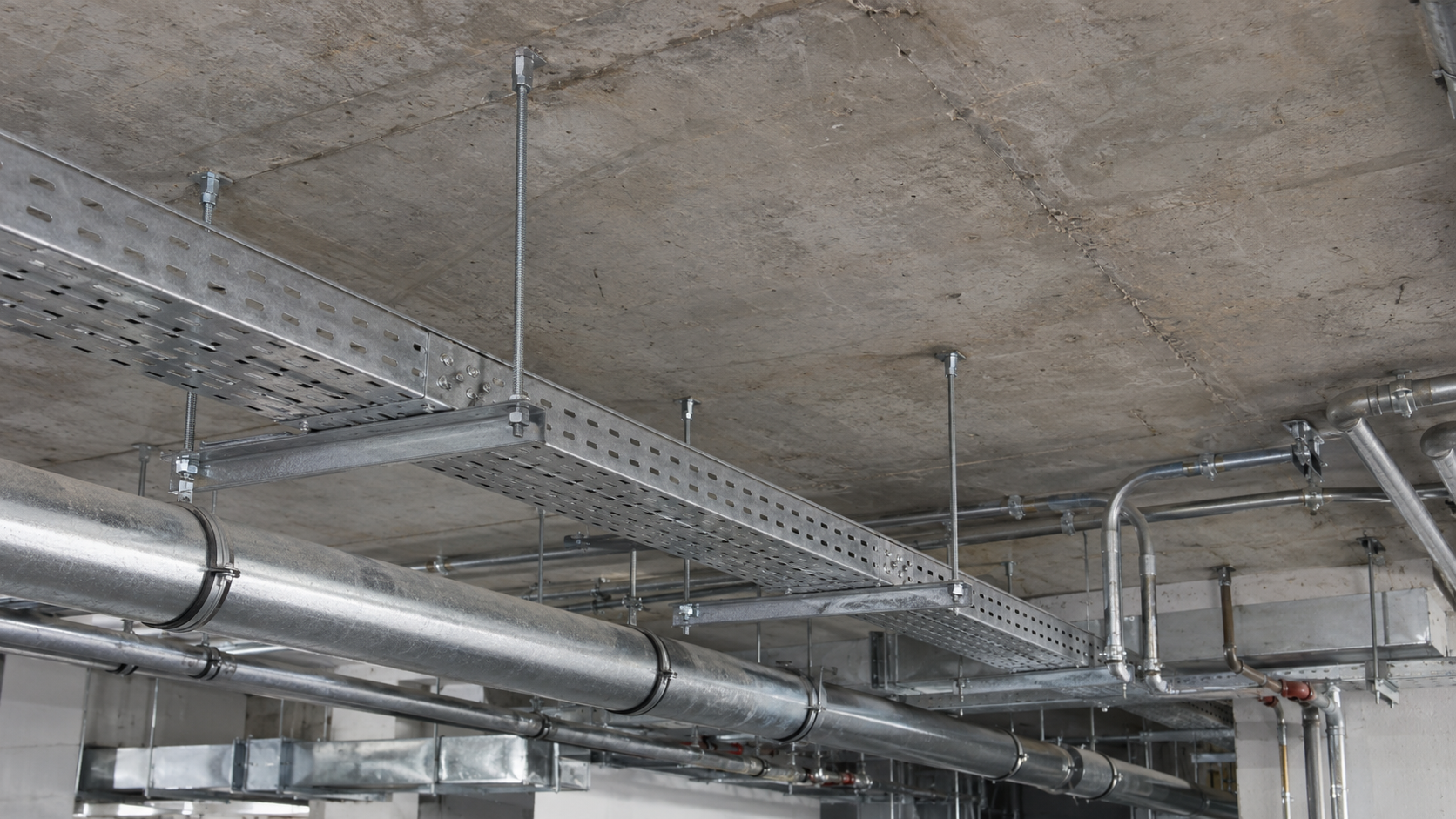
Commercial mechanical rooms can include pipe supports, cable trays, service brackets and threaded-rod hangers below a concrete slab. The conditions may range from a normally dry room to an area with condensation, cleaning procedures or occasional water exposure. State the actual conditions, support arrangement and rod thread in the enquiry. This lets the supplier identify the requested configuration instead of supplying an undefined “MEP anchor.”
Food, beverage and wash-down areas
Where installations are frequently cleaned, the operating environment needs particular attention. The buyer should identify the cleaning method, exposure duration, location and the materials specified for the complete support assembly. An anchor order may be only one part of a larger system of rod, channel, clamps, brackets and fixtures; keeping the materials and documentation visible in one schedule helps prevent a mismatch at installation.
Coastal, marine-adjacent or chlorine-risk locations
The product page distinguishes stainless 304 and 316 options and describes different environmental uses. That is useful procurement information, but it is not a substitute for the responsible project specification. Describe the actual exposure and required grade in the RFQ, then request confirmation of what the exact proposed configuration includes. Avoid deciding from a generic “anti-rust” description or a product photograph.
Define the complete internally threaded system
A drop-in anchor accepts a bolt, threaded rod or another compatible threaded fastener after the anchor has been set. The connection is therefore a system: anchor body, internal thread, matching rod or bolt, setting tool, substrate, drilled hole and fixture. Similar looking anchors can have different thread standards, body dimensions, installation details or tool requirements. Put the full combination in the purchasing schedule.
- Anchor type, internal thread standard, body diameter and anchor length.
- Stainless material requirement for the anchor and any required nut, washer, rod or bolt.
- Solid base material named by the project.
- Support or fixture type, including the rod and bracket arrangement.
- Matched setting-tool size and whether it is supplied with the first order.
- Carton quantity, traceable label, barcode and private-label requirements.
- Destination market and documentation required for the proposed product.
For a general introduction to the installation accessory, see Drop-In Anchors and Setting Tools: What Buyers Should Order Together. The important sourcing point is that the tool must be identified against the exact proposed anchor, not only against a familiar nominal thread size.
Choose material and finish with the service environment in mind
Procurement should turn environmental language into a product requirement. A dry indoor area, humid equipment room, repeated wash-down location, exterior exposure and a place affected by salt or chlorine are not interchangeable descriptions. Write the exposure condition in the order record, together with the selected stainless material requirement and the components that must match it.
This approach helps a buyer compare offers honestly. One supplier may quote the anchor only, while another may include an anchor, nut, washer and setting tool. One may quote a different stainless grade or an unspecified mix of components. Bringing each item back to one controlled schedule prevents a low line price from hiding a different supply package.
Questions to resolve before sample approval
- Which stainless grade is required by the project, and does the quote identify it clearly?
- Does the same material requirement apply to related rod, nuts and washers?
- What is the actual moisture, cleaning or contaminant exposure?
- Which product documentation is available for the precise item quoted?
- Does the carton and label distinguish this configuration from a carbon-steel alternative?
Plan installation information and sample control
The product page describes the basic sequence: drill the specified hole, clean debris, place the anchor body flush and use the matched setting tool to drive the internal conical plug before fastening the threaded item. The installer should follow the instructions and data for the exact product-system configuration. A buying guide can help ensure that the right components arrive, but it does not replace installation instructions, field supervision or project design.
For a first commercial order, approve a sample set that contains the anchor, the matched setting tool and a labelled carton or inner pack. Check the product designation, thread, finish, carton count and any documents requested by the end user. Take photos of the approved items and link them to the purchase-order revision. If the programme will be repeated, retain a sample or controlled photographic record as a reference.
When the manufacturer proposes a change, request it in writing. The record should show what is changing, why, which SKU is affected, whether the material or thread is altered, the commercial effect and the sample or approval required. Controlled change management is especially valuable where a stainless product is held alongside a similar zinc-plated stock line.
Compare the full supply package, not the anchor price alone
For distributors and project buyers, the commercially useful comparison includes product configuration, material, associated components, documents, packaging, sample cost and lead-time trigger. Separate one-time costs such as artwork, special packaging or sample preparation from recurring product and carton costs. This gives procurement a clearer view of the launch order and the expected repeat-order route.
Keep private-label information controlled. The carton should identify the approved product line, thread or size, pack quantity and buyer-required barcode. A label that only says “stainless drop-in anchor” can create receiving errors if several internal thread sizes are stocked. The final artwork should be reviewed with the master SKU schedule before bulk production begins.
After delivery, preserve the approved product schedule, sample evidence, carton artwork, documents supplied and any inspection observations. This information makes future orders more reliable, particularly when the distributor expands a range from one application to several facility-maintenance or MEP-support programs.
Stainless steel drop-in anchor RFQ checklist
- Application: pipe support, cable tray, equipment bracket, service hanger or another named fixture.
- Solid substrate and project installation requirement.
- Internal thread standard and mating rod or bolt requirement.
- Selected stainless material grade and service-environment description.
- Size and quantity by SKU, plus expected repeat-order pattern.
- Setting-tool requirement and whether it must be supplied.
- Packaging, private-label, barcode and destination-market needs.
- Required drawings, data sheets, installation instructions or certificate references.
Provide the information that is fixed and mark the remaining questions openly. A supplier can then identify what must be confirmed before quotation rather than filling gaps with assumptions.
Frequently asked questions
Can one stainless steel drop-in anchor be used for all wet locations?
No. The service environment, material grade, substrate, selected thread and project requirement must be reviewed for the exact application.
Can I use a standard setting tool with every drop-in anchor?
Use the setting tool matched to the exact proposed anchor size and configuration. Include it in the first order when the installer or distributor needs it.
What should a distributor keep for repeat orders?
Keep the approved SKU schedule, material designation, sample record, carton artwork, setting-tool reference and supporting documents together so the next order starts from a controlled baseline.
FROM EXPOSURE REVIEW TO QUOTATION
Discuss your stainless drop-in anchor requirement
Send the environment description, substrate, internal thread, size range, quantity and documentation requirement. DURANCHOR can review the supply configuration needed for a clear quotation.
Send an enquiry →