
Start with the wall build-up and fixture, not the word “toggle”
Hollow-wall fastening is easy to oversimplify. A buyer may receive an enquiry for “drywall anchors” or “plastic toggles,” but those phrases do not establish the panel thickness, available cavity, fixing method, fixture thickness, screw or expected service environment. The same broad product name can describe a range of very different commercial items.
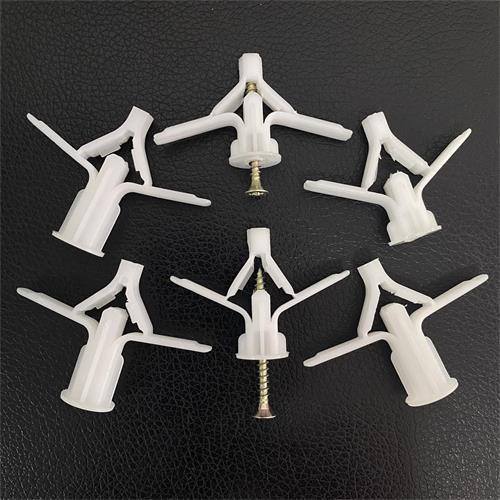
The DURANCHOR Nylon Toggle Anchor is listed for plasterboard, panels, hollow walls and other cavity substrates. Its foldable nylon wings are designed to pass through a pre-drilled hole and support the base material as the matching screw is tightened. That product description is a useful starting point for a quotation. It is not a substitute for project design, loading assessment or the installation instructions for the exact supplied item.
Where nylon toggle anchors are commonly used
Interior fittings on plasterboard and panels
Light shelves, mirror frames, small brackets, trims and selected interior accessories are common contexts for a cavity-wall fixing. The RFQ should identify what is being fixed and whether the fixture is flat to the panel, spaced away from it or installed through another component. Fixture thickness changes the screw length required, and the panel construction can influence which anchor configuration is relevant.
Light-duty electrical and fit-out work
Interior lighting accessories, cable-management components and selected fittings are often purchased in repeat quantities. For this kind of distribution or project supply, the commercial definition matters as much as the application. Buyers should state the proposed anchor size, panel range, matching screw requirement, carton quantity and customer-facing label language.
Repair, maintenance and multi-site replenishment
Facility teams and fit-out contractors may use a familiar hollow-wall anchor across many small jobs. That does not mean every installation is interchangeable. A stable stock item works best when the approved use, product size, pack count and instructions are kept together. It helps the purchasing team replenish the same configuration and helps installers avoid selecting only by a photo.

Specify the installed arrangement as one system
A nylon toggle anchor is one component in a complete fixing arrangement. The wing, hole, panel, screw and fixture work together. If any of those details change, a product that appears similar may no longer be the same commercial or installation choice.
- Base material: plasterboard, chipboard, fibreboard, hollow wall or other cavity substrate.
- Panel construction and thickness, plus any relevant cavity restriction.
- Fixture type, fixture thickness and the intended light-duty application.
- Requested anchor size, wing design, material and colour where applicable.
- Matched screw type, diameter, length and whether the screw is included.
- Quantity by SKU, carton piece count, barcode and private-label requirements.
- Product drawings, installation information and other records required for the exact order.
DURANCHOR’s product information describes folding the nylon wings, inserting the anchor into a correctly prepared hole and fastening the screw through the fixture. The process should be checked against the actual product and job condition. Hole preparation, fixture alignment and screw selection should not be left as assumptions in a purchasing specification.
Build a product schedule that buyers and installers can both use
A good schedule is short and specific. Instead of one generic “toggle anchor” line, create a separate line for each size and commercial configuration. Include the product reference, intended panel range, matching screw requirement, finish or colour, carton quantity and label. Where a customer uses an internal SKU, place it on the same line as the supplier’s product reference.
For first orders, ask for a representative sample or a detailed approval record. A practical baseline can include a product photo, selected size, hole requirement, wing type, pack count, carton artwork and a list of requested documents. Future purchasing then begins with a defined product, rather than recreating the original decision from a brief verbal description.
Compare quotations on equal scope
A low unit price does not make two hollow-wall anchors equivalent. Ask each supplier to identify the exact anchor configuration, material, pack quantity, included screw or screw specification, inner pack, carton label, lead-time trigger and sample process. Keep special printing, barcode work, inspection requests and freight separate from the recurring unit price. The comparison becomes clearer and the repeat-order process is easier to control.
Private-label buyers should provide artwork and destination-market information early. The outer carton is part of the product experience for a distributor or installer: it should help the receiver distinguish the size, pack count and intended stock item without opening every carton.
Use quality checks that match the actual purchase
Pre-shipment inspection can verify the commercial item that was ordered: visual material condition, anchor form, size or critical dimensions agreed in the quotation, pack quantity, labelling and requested documentation. It does not validate a final installation in an unknown wall. Site suitability, fastening design and safe installation remain responsibilities that belong with the relevant project process.
Ask which documentation is available for the selected configuration before placing the order. Document names, product references and revision status should be clear. A general statement about nylon material or a broadly named product family is not the same as evidence attached to the exact anchor, size and scope being supplied.
Keep changes visible after sample approval
Small fasteners are especially vulnerable to unnoticed variation. A change in anchor length, wing geometry, pack count, supplied screw or label may affect the warehouse, installation expectation and customer support process. If a change is proposed, record the SKU affected, compare it with the approved baseline and obtain written approval before production proceeds.
Nylon toggle anchor RFQ checklist
- Application description: light bracket, trim, mirror, interior accessory, cable-management component or other fixture.
- Base-material description, panel thickness and any cavity information available.
- Requested nylon toggle anchor size and product reference.
- Fixture thickness and matching screw requirement.
- Quantity by line item, sample need and expected repeat volume.
- Inner pack, carton count, label, barcode and private-label artwork.
- Destination market, requested product information and delivery requirement.
Mark any open points clearly. A supplier can then offer a relevant configuration or identify what must be confirmed before quotation. This produces a better response than asking a supplier to quote a generic drywall anchor from a photograph.
Common sourcing mistakes to avoid
Choosing from an image alone
Two plastic anchors can look close while differing in wing behaviour, hole requirement, grip range, included screw or packaging. Keep the image with the product code, dimensions and approved commercial details. Visual similarity is not approval for substitution.
Leaving the screw undefined
The anchor and screw should be treated as a working pair. If the screw is not included, specify the type and length required for the selected fixture. If it is included, identify it as part of the supplied configuration and confirm how it is packed and labelled.
Using a broad application statement as a load claim
“For hollow walls” describes a material context, not a universal load rating. Avoid turning a catalogue description into an unsupported performance claim. Keep the actual application and project requirements in the purchase record, and escalate any structural, safety-critical or uncertain condition to the responsible technical process.
Turn the first order into a repeatable supply program
Once the first shipment is approved, retain the product schedule, sample record, carton artwork, pack configuration and document list together. Distributors can use the file to replenish stock. Contractors and buyers can use it to distinguish a genuine repeat item from a new-looking application that needs a fresh review.
A clear naming pattern makes the program easier to manage: product type, size, panel range or relevant dimension, pack quantity and customer SKU. The aim is not more paperwork; it is less ambiguity when purchasing, warehouse and site teams use the same product in different ways.
Frequently asked questions
What base materials are nylon toggle anchors used with?
The DURANCHOR product listing identifies plasterboard, chipboard, fibreboard, panels, hollow walls and other cavity substrates. The exact supplied product and the project condition should be checked before use.
Are nylon toggle anchors suitable for every drywall fixture?
No. A product name does not establish suitability for every fixture or load. Confirm the panel, fixture, screw, installation conditions and any project requirements for the specific application.
Can DURANCHOR support private-label orders?
Yes. Send the selected product schedule, quantities, pack count, artwork, barcode and destination-market requirements so the product and packaging configuration can be reviewed for quotation.
FROM APPLICATION TO QUOTATION
Define your hollow-wall fixing requirement
Send the intended fixture, base material, panel thickness, anchor size, screw requirement, quantities and destination market. DURANCHOR can help organise the product and packaging information needed for a clear quotation.
Send an enquiry →