
Start with the installed frame, not the plug name
A window or door-frame enquiry often begins with a broad request such as “nylon anchors for aluminium windows.” That is a useful starting point, but it is not a complete specification. The supplier needs to understand the frame material, the material behind it, the thickness that must be passed through, the available anchorage depth, and the installation sequence. Those details determine whether a proposed frame fixing can be reviewed as a viable product route.
DURANCHOR’s Nylon Frame Fixing Anchor is listed for concrete, masonry, solid wall and brickwork substrates, with diameters from 5 mm to 10 mm and lengths from 30 mm to 160 mm. The range is intended for fixtures such as window and door frames, but each installed configuration still needs to be checked against the project requirement and the product documentation for the selected size.
Define the complete nylon frame fixing system
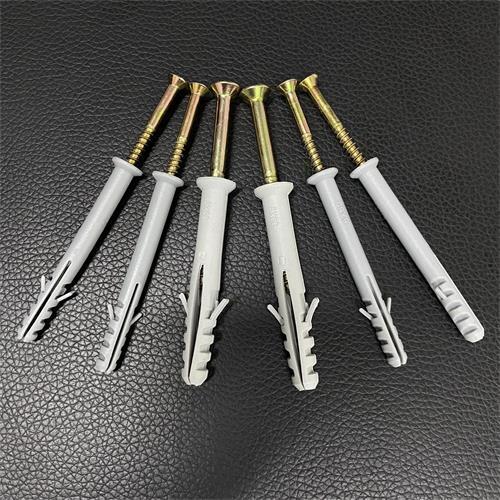
A frame fixing is not simply a plastic plug. The ordered system should identify the nylon sleeve, the screw type and length, the head style where it affects the visible frame, and any supplied components. The DURANCHOR product page describes nylon and plastic construction, pre-assembled steel screw options and winged designs intended to help prevent spinning during installation. For commercial purchasing, put these characteristics into the product schedule rather than leaving them as assumptions.
Fields that belong in the product schedule
- Plug diameter and overall length for every SKU.
- Matched screw diameter, length, material and head type.
- Requested nylon colour or private-label presentation, if relevant.
- Base material named by the project: concrete, masonry, solid wall or brickwork.
- Frame material: PVC, aluminium, timber or another specified profile.
- Fixture thickness and the depth that must be reached beyond the frame.
- Carton count, inner pack, barcode and label language.
Do not use an estimated screw length as a permanent master record. Put the selected combination in a written schedule and ask the supplier to identify the exact proposed configuration. This makes it much easier to compare a first order with a later replenishment.
Match the application scenario before choosing sizes
PVC and composite window frames
For plastic window frames, the fixing plan should consider the profile geometry, guide-hole location and the surface finish that must remain undamaged. The buyer should state whether the screw head is intended to sit flush and whether any cover cap or frame detail affects the visible result. The goal is not to create a generic “window anchor” quotation, but to match the proposed fixing arrangement to the installation drawing.
Aluminium door and window frames
Aluminium systems introduce a different combination of fixture thickness, profile cavity and installation access. Share the section drawing when available. It helps the supplier assess the proposed length range and lets the installer keep the fixing position consistent across the project. If the application involves a hollow profile, do not assume that a fixing intended for solid substrates resolves every part of the installation; confirm the detail with the responsible technical party.
Interior frame, sign and light-duty accessory work
The same product family may be considered for selected interior frames, signs, rails or accessory installations where the substrate and project requirement permit it. These are separate use cases, however. Use a dedicated line in the enquiry for each fixture type, rather than transferring a size selected for a window frame into an unrelated application without review.
Build a practical size, sample and packaging plan
For stock programs, fewer well-defined SKUs are usually easier to control than a broad list of similar lengths. Start with the size range demanded by the target market and show expected quantity by size. DURANCHOR lists common ranges including 6 mm, 8 mm and 10 mm diameter families with lengths extending to 160 mm. Confirm the exact size, screw pairing and available product documents during quotation rather than assuming every listed combination is required.
Approve representative samples for the combinations that matter most commercially. A sample pack should identify the plug, screw and label in a way that can be traced to the purchase order. For private-label cartons, review the outer carton, inner pack, size description and bar code together. A correct product in an incorrect carton creates a receiving and customer-service problem even when the anchor itself is acceptable.
Questions that make the quote comparable
- Is the quoted screw supplied with the plug, and how is the pair packed?
- Which frame thicknesses and anchorage depths are assumed in the selected line?
- Does the carton label identify the plug dimension and matched screw clearly?
- Which size samples represent the production configuration?
- Which changes require a new sample or revised label approval?
Approve samples and control repeat orders
The initial sample is the right time to check more than colour and appearance. Review the sleeve geometry, screw seating, pack quantity, label information and any installation instructions supplied with the program. Document the accepted product code and take clear photographs of critical visual details. When the first container or mixed-size order is placed, keep those records with the final purchase order.
For repeat orders, compare the new schedule with the approved baseline before production begins. If the supplier proposes a different nylon formulation, screw, marking, package method or carton count, ask for the change in writing. The review should show the reason, the affected SKU, the commercial effect and whether a new sample is needed. Controlled changes protect the distributor as well as the manufacturer.
Nylon frame fixing RFQ checklist
- Frame material and cross-section or reference photographs.
- Base material, fixture thickness and required fixing position.
- Requested plug and screw sizes, or the target length range.
- Expected quantity by SKU and repeat-order forecast.
- Colour, marking, carton count, barcode and private-label requirements.
- Destination market, required documents and target delivery date.
- Samples or drawings available for comparison.
Share the information that is fixed and mark any detail open to review. The supplier can then identify missing data before quoting instead of building hidden assumptions into the price.
Prevent common frame-fixing purchasing errors
The most expensive mistakes tend to appear after a product has been put into a mixed carton or a tender schedule. One common error is treating plug diameter as the whole specification. Diameter must be read with the plug length, the matched screw and the expected frame thickness. A second error is accepting a catalogue image as proof that one screw head will suit every frame profile. Record the head style and visible-finish expectation before samples are approved.
Another problem is mixing substrate assumptions. A contractor may work across concrete, solid brick and masonry on the same project, yet the selected fixing needs to follow the conditions stated for the exact location. Create a simple line in the schedule for the substrate and do not use a broad phrase such as “wall fixing” as a substitute. Where a wall contains cavities, insulation, unknown material or another special condition, refer the detail to the responsible technical review rather than carrying forward a stock selection automatically.
Finally, avoid letting private-label artwork become detached from the product record. The carton should not merely say “frame fixing.” It should identify the approved size, pack quantity and buyer-controlled reference. When a new order is released, compare the artwork, product list and factory quotation together. This inexpensive check prevents a size from being packed under a previous label or an old carton quantity from entering the distributor’s inventory.
Build a repeatable distributor supply program
A good initial order gives the buyer a clean foundation for replenishment. Group the range by the applications the distributor actually serves—such as PVC windows, aluminium frames and door installations—then make the physical SKU schedule match those groups. A warehouse should be able to find the product, its screw combination and its carton label without relying on a sales person’s memory.
At quotation stage, ask the manufacturer to separate standard product costs from one-time work such as custom printing, special inner packs or sample preparation. Record what starts the production clock: final artwork approval, purchase-order confirmation, sample sign-off or another stated event. This makes lead-time discussions much more useful and helps the buyer choose a practical launch quantity.
After the first delivery, capture the information that matters to the next order: accepted product samples, cartons, artwork revision, inspection observations and customer feedback. Repeatability does not mean that no improvement is possible; it means every change is visible and deliberately released. That is especially useful when one product range is sold to several window and door installers with different packaging needs.
Frequently asked questions
Can one nylon frame fixing fit every window or door frame?
No. The sleeve and screw must be reviewed against the frame, base material, fixture thickness and installation arrangement for the specific project.
What should a private-label frame-fixing carton show?
At a minimum, agree the product designation, size, pack quantity and buyer-required barcode or branding before release. Review the label with a representative sample.
Can I order metric and imperial sizes in one program?
Yes, when the supplier can review the requested range. Keep metric and imperial product lines distinct in the schedule so no conversion is mistaken for a compatible thread or product substitution.
FROM APPLICATION TO QUOTATION
Discuss your product requirement
Send the frame material, substrate, fixing depth, required size range, quantity and destination market. DURANCHOR can review the configuration needed for a clear quotation.
Send an enquiry →